


When choosing residential proxies, many users first look at the price, connection countries, IP pool size, or stated speed. This is indeed important, but there is one parameter that is often underestimated: which session type to choose - sticky or rotating?
 How stable your project will work depends on this.
An incorrectly chosen proxy type can lead to unnecessary account verifications, automation interruptions, a decrease in scraping efficiency, or unstable operation of antidetect browsers.
In this article, we will explain in simple words:
what sticky proxies are;
what rotating proxies are;
in which tasks to use each type;
how to choose a residential proxy provider;
First, in simple words: what is a proxy
A proxy - is an intermediary server between you and the website.
When you access a website directly, the website sees your real IP address. If you use a proxy, the website sees not your IP, but the proxy server's IP.
A simple analogy: a proxy - is like a courier who delivers your letter on their behalf. The recipient sees the courier's address, not your home address.
Proxies are used for various tasks:
checking website display in different countries;
scraping public data;
SEO monitoring;
working with ad accounts;
localization testing;
managing technical accounts;
price and inventory analysis;
workflow automation.
Important: proxies themselves are not a "magic shield". Websites evaluate not only the IP, but also behavior, browser fingerprint, cookies, action speed, account country, device, and other signals.
What are Sticky Proxies
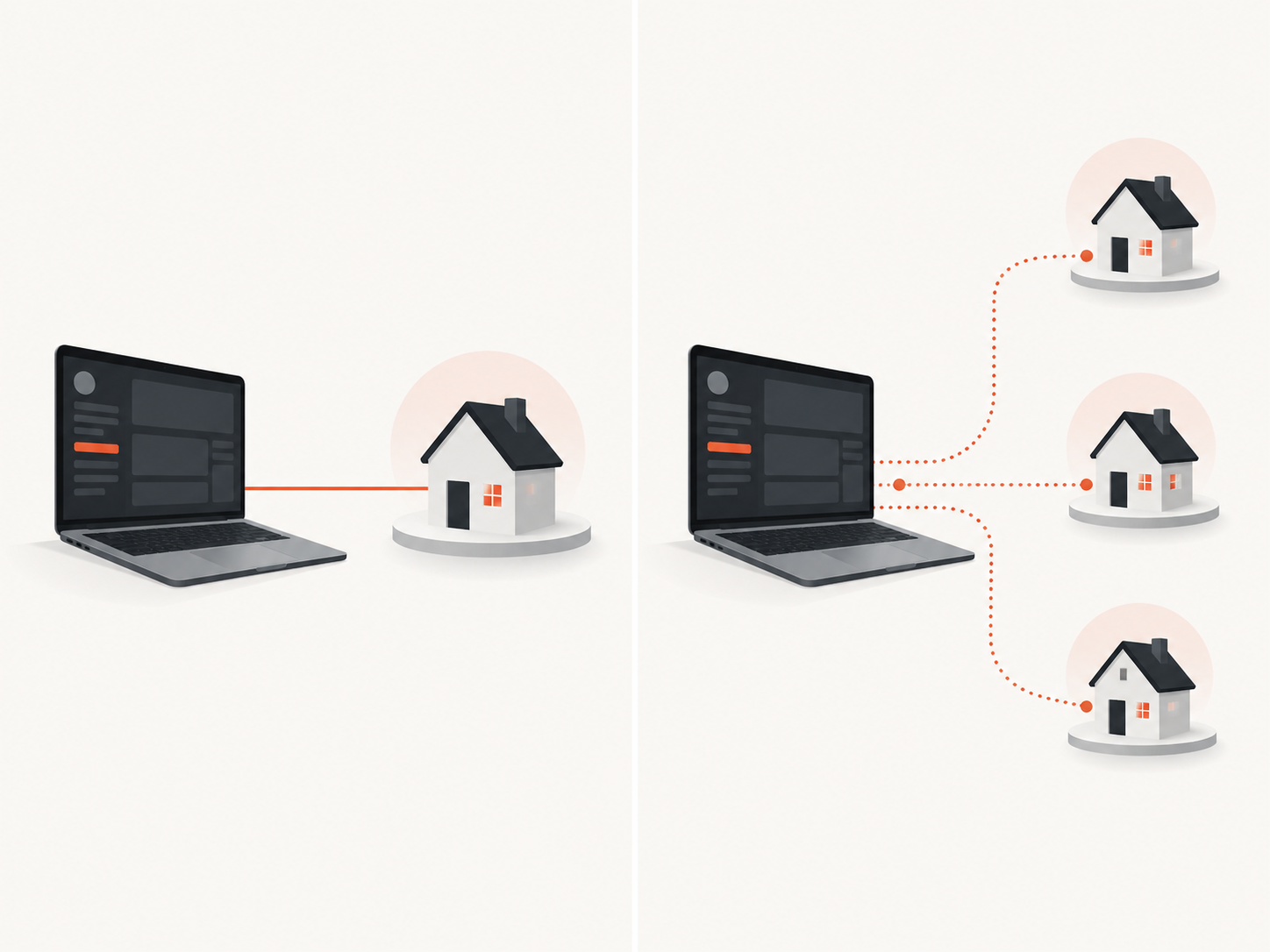
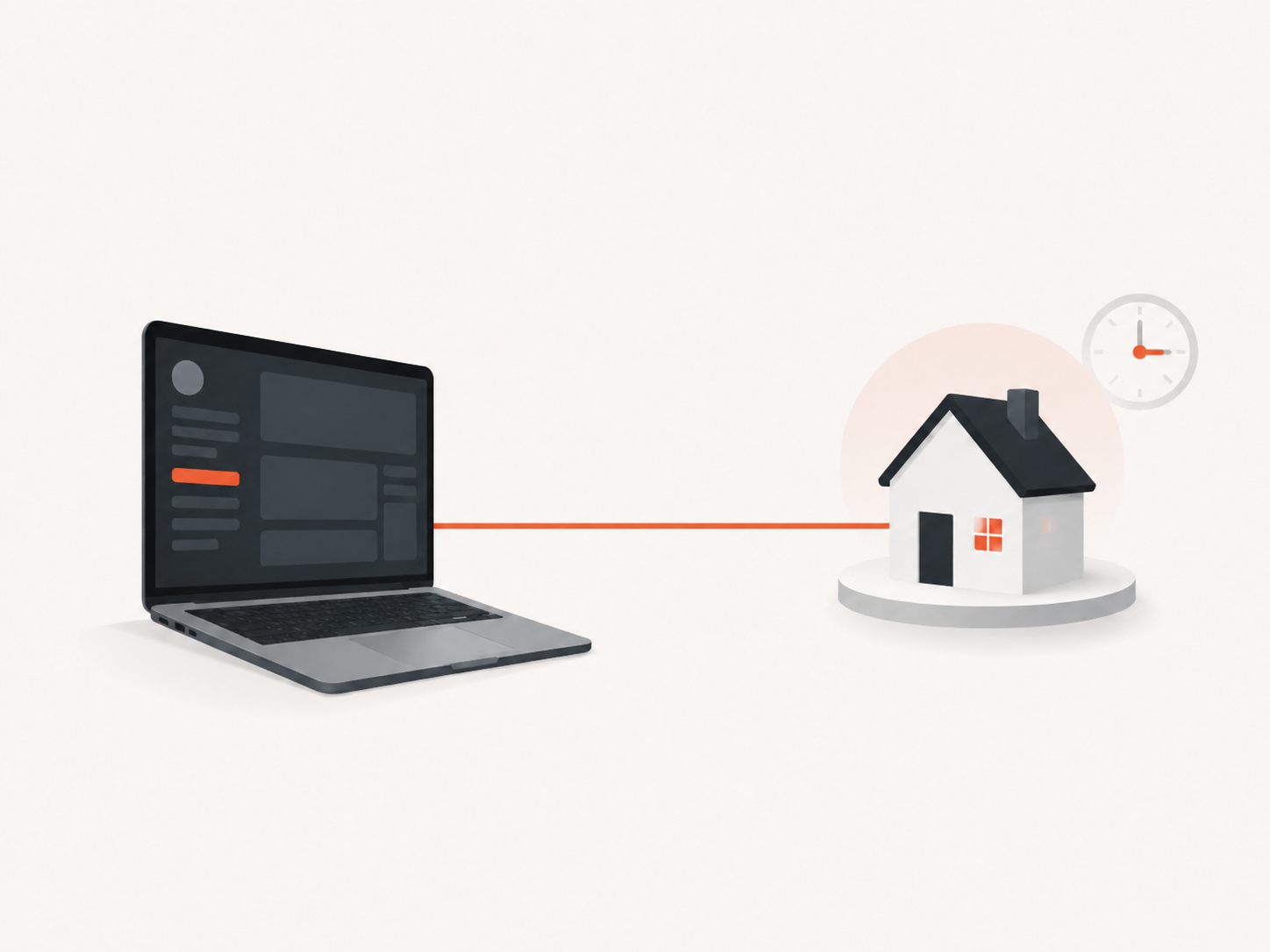
A sticky proxy or sticky session - is a connection type where the same IP address is assigned to you for a certain time.
For example, you can work with one IP:
10 minutes;
30 minutes;
60 minutes;
several hours - if supported by the provider.
During this session, the website sees you as the exact same user from the exact same IP.
 How it looks in practice
You logged into an account, opened an ad account, checked settings, uploaded files, worked for 40 minutes - and all this time the website saw a stable connection from a single IP.
This is similar to a regular person who accessed the internet from home or the office and is calmly working in a single browser.
Where it is better to use sticky proxies
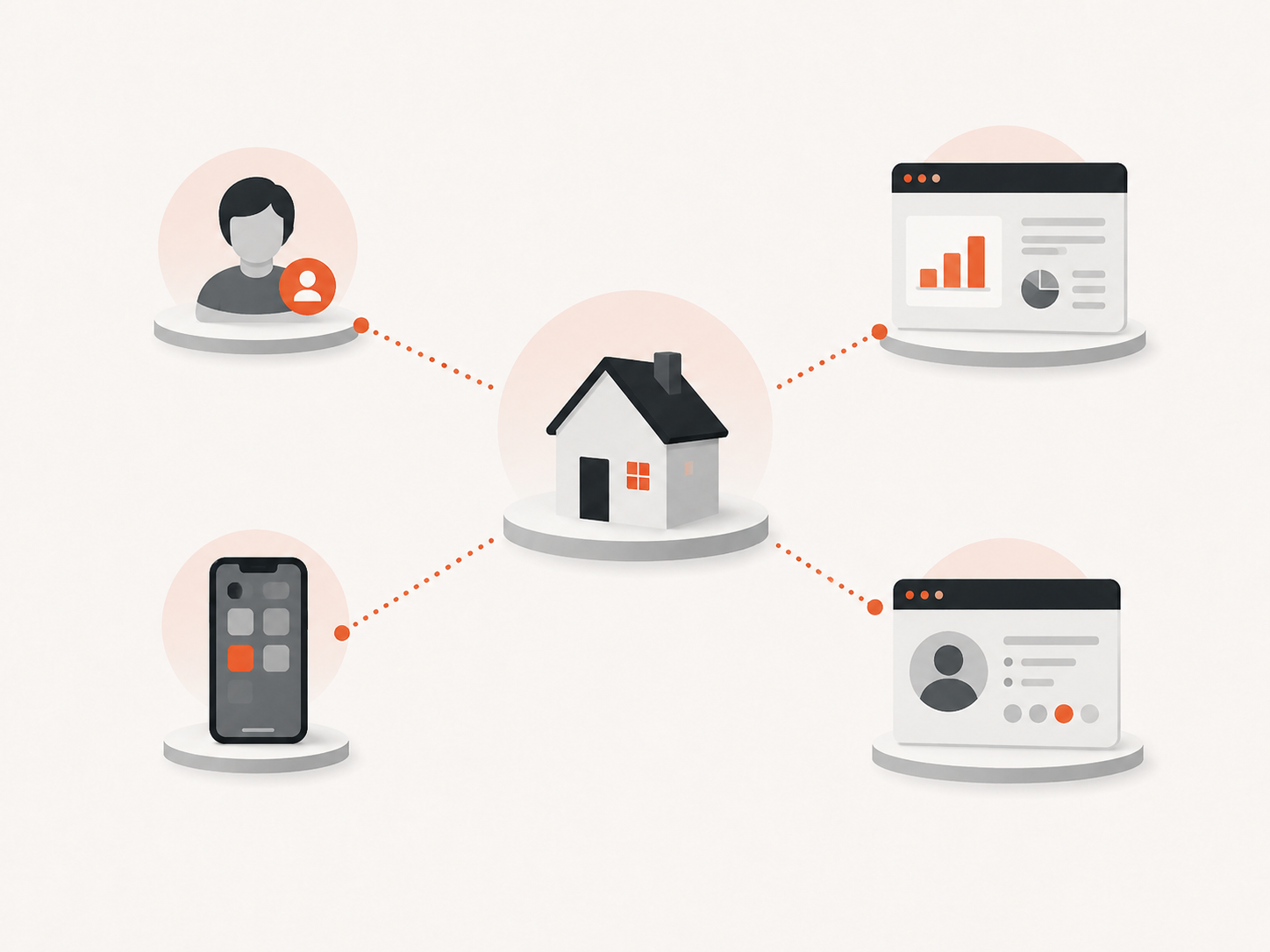
Sticky sessions are suitable where a stable online identity is important.
Typical tasks:
working with accounts;
antidetect browsers;
cloud phones;
e-commerce accounts;
ad accounts;
long browser sessions;
interface testing;
manual work in personal dashboards;
warming up accounts;
workflows where changing IP every few seconds is not allowed.
 The main logic of sticky proxies
Sticky proxies are needed when the website must see you as one stable user, and not as dozens of different connections.
If an account logs in from Poland today, a minute later from Germany, another minute later from the USA, and then again from Poland - to the platform this may look suspicious. Therefore, for account-based tasks, it is better to choose sticky sessions.
What are Rotating Proxies
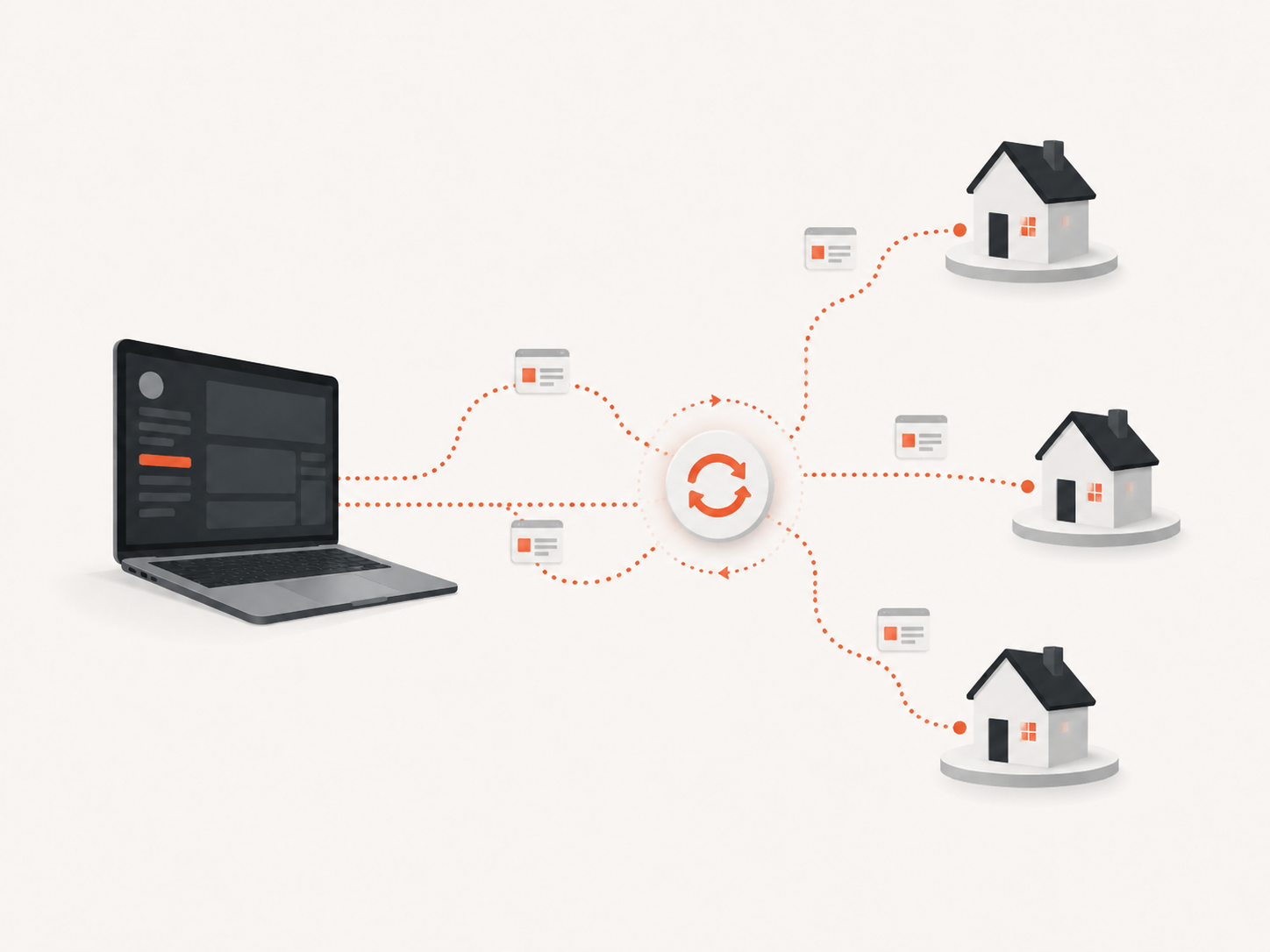
A rotating proxy - is a proxy type where the IP address changes automatically.
The IP change can occur:
with every new request;
after a specified interval;
after an error;
after the end of a session;
manually via provider settings.
The main idea of rotating proxies is not the stability of one IP, but the diversity of IP addresses.
 How it looks in practice
You are scraping public data from a large number of pages. Instead of making thousands of requests from a single IP, the system distributes the requests among different residential IPs.
One request goes from one IP, the next - from another, the third - from a third. This approach is useful when the task consists not of working with an account, but of mass data scraping.
Where it is better to use rotating proxies
Rotating proxies are most often used for:
web scraping;
price monitoring;
SERP analysis;
SEO monitoring;
ad verification;
market research;
public data collection;
checking website availability from different regions;
competitor inventory analysis;
mass technical requests.
 The main logic of rotating proxies
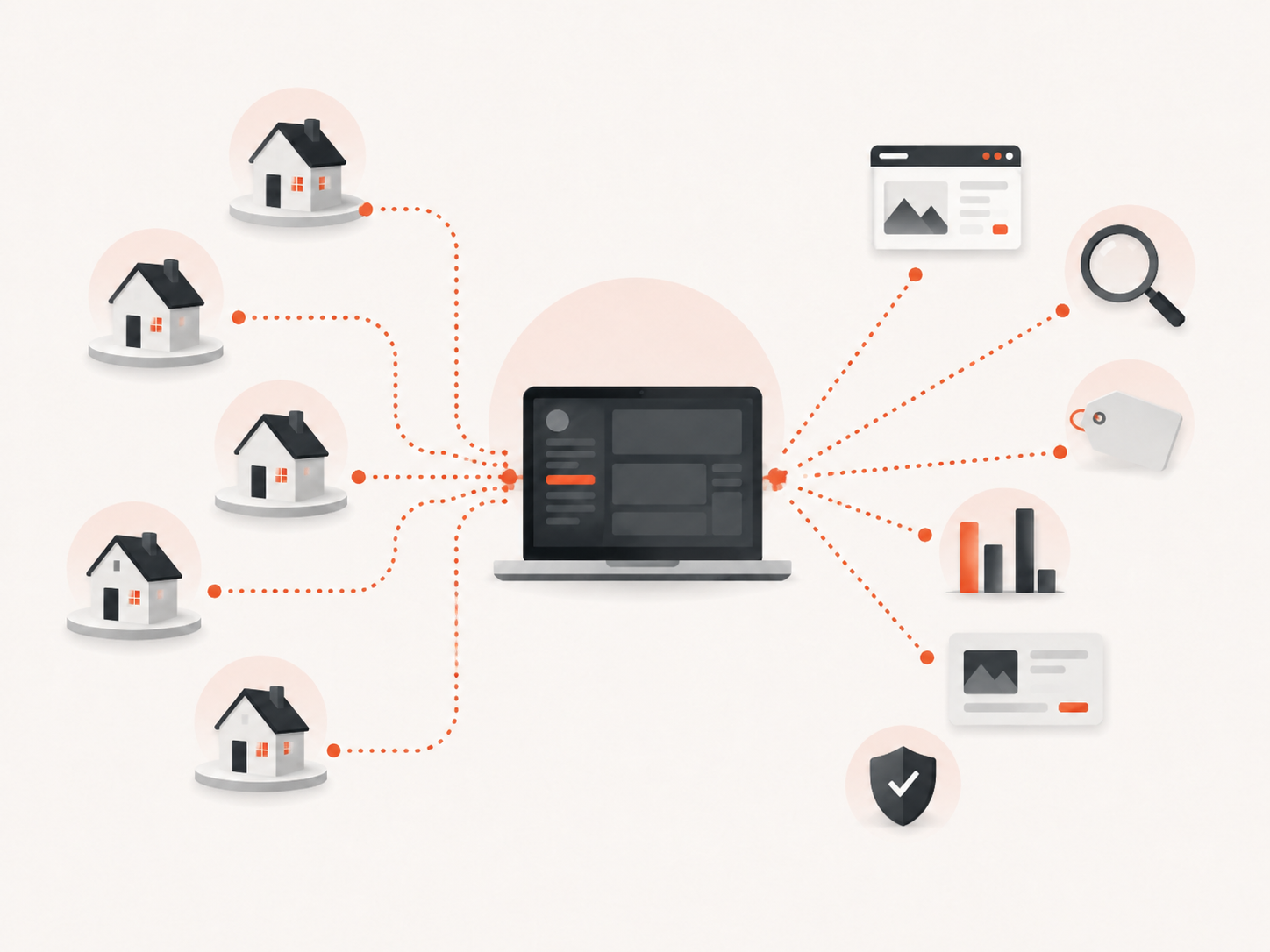
Rotating proxies are needed when you do not need to maintain a single identity, but it is important to execute many individual requests.
If a sticky proxy - is "one stable user", then a rotating proxy - is "many different connections for a large volume of independent actions".
Sticky vs Rotating: what to choose
There is no universal answer. The choice depends on the task.
| Task | What to choose | Why |
| Working with accounts | Sticky | IP stability is needed |
| Ad accounts | Sticky | Fewer sudden environment changes |
| Antidetect browser | Sticky | One profile - one stable environment |
| Cloud phones | Sticky | It is important to maintain constant geolocation and IP |
| Warming up accounts | Sticky | A sudden IP change might look suspicious |
| Long manual work | Sticky | The website sees sequential behavior |
| Data scraping | Rotating | A large volume of requests is needed |
| Price monitoring | Rotating | Many pages and products |
| SEO/SERP monitoring | Rotating | Need to check SERP from different IPs/regions |
| Ad verification | Rotating or Sticky | Depends on the verification scenario |
| Market research | Rotating | Many independent requests |
| Public data collection | Rotating | It is better to distribute the load |
The main rule: If you are working with accounts - use sticky. If you are scraping data - use rotating.
How ProxyRed supports both workflow scenarios
ProxyRed supports both types of residential proxies: sticky sessions and rotating proxies. This is convenient because different tasks require different connection logic.
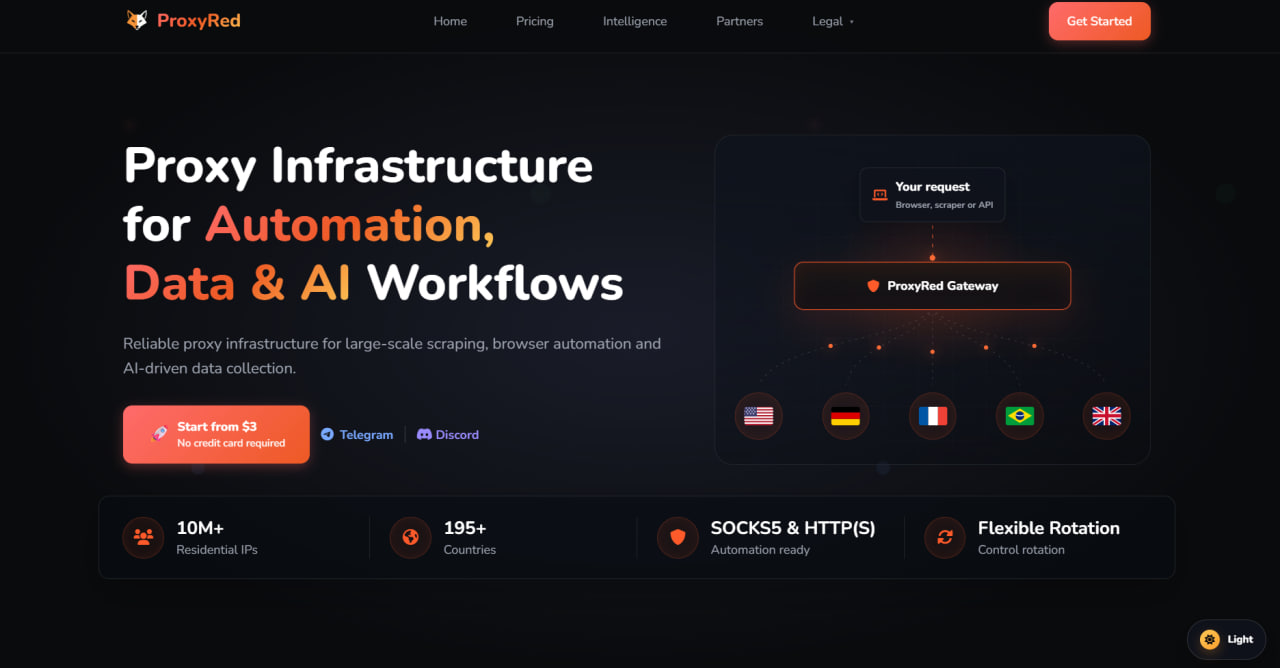 Sticky sessions are suitable for working with accounts, ad accounts, antidetect browsers, cloud phones, and other scenarios where it is important to maintain a stable IP throughout the session.
Rotating proxies are better used for tasks where you need to make many independent requests: data scraping, price monitoring, SEO analysis, ad verification, and public data collection.
ProxyRed supports:
residential rotating proxies;
sticky sessions;
authorization via Login:Password and IP Whitelist;
HTTP(S) and SOCKS5 protocols;
wide GEO coverage;
flexible settings for account management, automation;
The main advantage of ProxyRed - is the ability to switch between sticky and rotating proxies depending on the task, without changing the provider and without rebuilding the entire infrastructure.
Conclusion
Sticky and rotating proxies solve different tasks.
Sticky sessions help create a stable online environment. They are better suited for accounts, antidetect browsers, cloud phones, ad accounts, and long browser sessions.
Rotating proxies provide a diversity of IP addresses. They are better suited for scraping, SEO monitoring, price analysis, market research, and large-scale public data collection.
ProxyRed covers both directions: provides sticky and rotating residential proxies, supports different authorization methods, HTTP(S), SOCKS5, wide GEO coverage, and flexible settings for different threaded tasks. This allows you to adapt proxies to specific tasks faster and not complicate the infrastructure.
The main mistake of beginners - is choosing a proxy type "at random". The right approach starts not with the pricing plan, but with the question: do I need a stable identity or a large volume of independent requests?
If stability is needed - choose sticky. If scale is needed - choose rotating.






Be the first to share your opinion!
We value your feedback — share your thoughts.