


From the outside, it seems that launch stability depends on cloaking, accounts, or the combination. But if you look at how teams with large volumes work - another thing becomes noticeable: most of the problems appear even before the ad collects its first results.
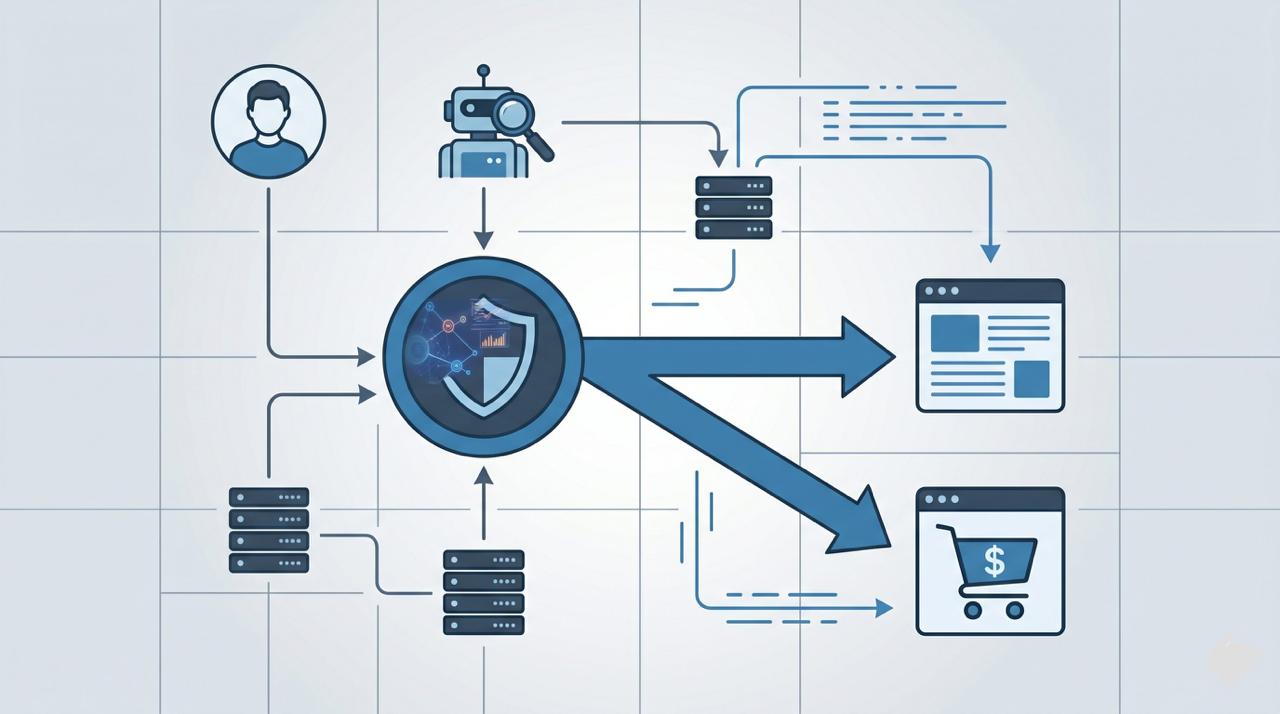
What it usually looks like from the inside
First, additional checks appear - it seems like a usual routine. Then, part of the time starts being spent on reconnections and re-testing. Then the team notices that some actions have to be done again, even though they used to work by themselves before.
Separately - minor things. Together with the growth of volumes - constant noise that quietly eats up time and resources.
A few years ago, all of this was perceived as the norm. If something had to be double-checked manually - ok, the market adapted. Now the speed is different.
While one team spends several hours sorting out technical minor details - another has already tested new directions, disabled weak combinations, and redistributed the budget.
This is exactly where the question that does not lose its relevance arises: do proxies really affect the work with cloaking - or is it just hype around the tool?
Why this has long been not just a question of connection
There are two camps. Some are convinced: without a high-quality connection environment, stable work is impossible. Others believe that the problem lies in processes, accounts, and preparation, not in proxies.
Interestingly, both positions often turn out to be right at the same time.
On small volumes, infrastructure problems remain unnoticeable for a long time. A few launches, a couple of directions, nothing critical. Part of the tasks is solved manually - inconvenient, but tolerable.
The situation changes gradually:
- Additional checks appear more and more often
- Some processes begin to require more time than before
- The team returns to tasks that seemed already closed
- More and more resources are spent not on finding new directions, but on eliminating small infrastructure failures
That is why strong teams gradually stop perceiving proxies as a separate tool. They begin to look at them as a part of the environment within which everything else is built.
Why problems become more noticeable as volumes grow
On small scales, you can manually double-check the page display for the right geo, spend extra minutes on re-configuration - and this is not critical.
Imagine a team where dozens of launches are going on simultaneously, new combinations are being tested, and processes are distributed among several specialists. In such an environment, even small delays begin to accumulate.
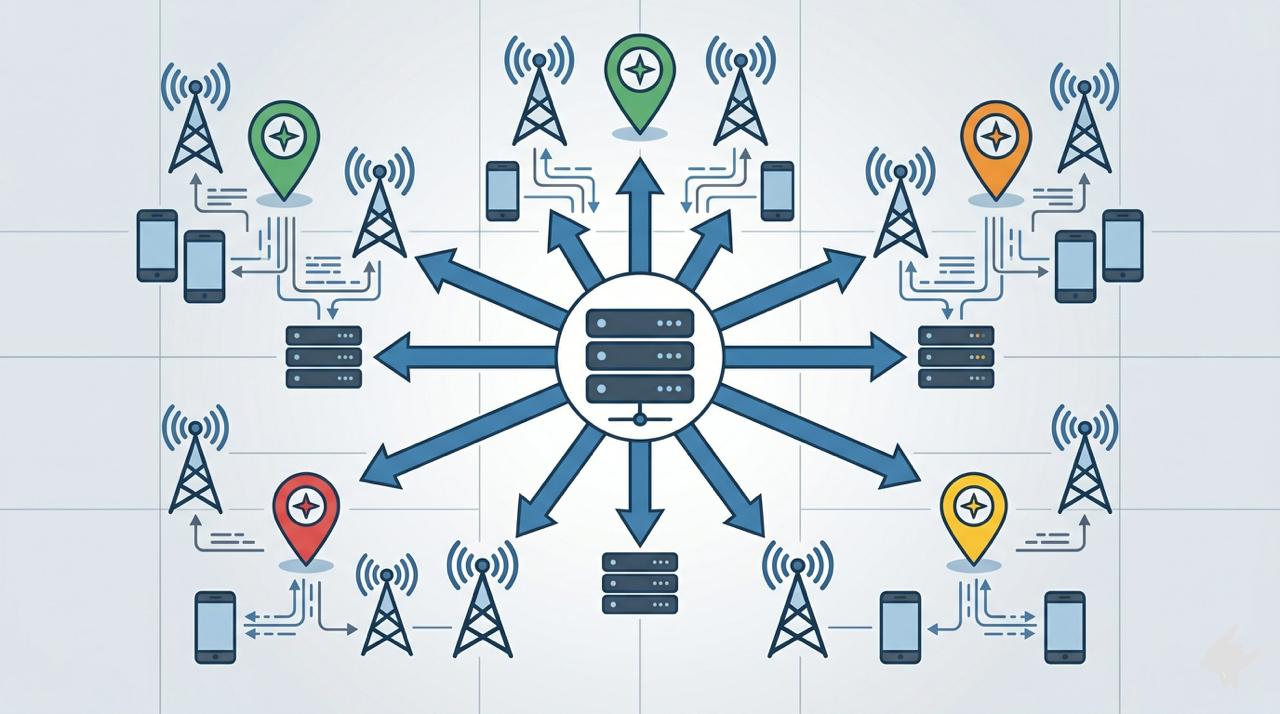
One launch requires additional checks. Another starts working less predictably after an environment change. Somewhere, already familiar processes are being tested again.
Separately - not critical. Together - the team suddenly discovers that it spends too much time eliminating technical noise instead of analytics and tests.
This is exactly the conclusion that many gradually come to: a stable infrastructure is needed not because it is impossible to work without it, but because it removes chaos inside the processes.
Why mobile proxies are increasingly discussed in a working context
If previously mobile proxies lived in narrow technical communities, now they have become part of a regular working environment - especially for teams that work with multiple geos or scale regularly.
The reason is clear: mobile connections use real operator networks - the environment looks more natural than with some other solutions.
But there is an important point here that usually remains behind the scenes.
The mere fact of using mobile proxies rarely guarantees stability.
Much more important is the quality of the infrastructure around them.
| What the team evaluates | Why it matters |
|---|---|
| Connection predictability | Fewer manual checks |
| Working with multiple geos | More stable processes |
| Ease of scaling | Fewer additional actions |
| Connection management | Faster transition between tasks |
| Real mobile networks | More natural environment |
At some point, the conversation stops being about a specific IP and becomes about organizing the entire environment around the launch.
Why strong teams remove noise in advance
Most people start thinking seriously about infrastructure only after the appearance of the first stable volumes - when problems become noticeable enough that they cannot be ignored.
It's a few extra minutes here. Re-testing there. Another action that used to work by itself before. Separately - a minor thing.
But over time, all of this adds up. And the team begins to spend too much on infrastructure noise instead of growth.
That is why strong teams remove in advance everything that makes processes less predictable: constant double-checks, an unstable environment, actions that have to be repeated over and over again.
When the infrastructure works stably - the launch stops being a set of manual checks, and the team gets time for real tests.
How proxy infrastructure became part of regular work
A few years ago, quality proxies were perceived as an additional tool - something from the category of "if absolutely necessary." Now it is part of the standard stack - just like analytics or page preparation.
Services like Proxies.sx are developing precisely in this direction: mobile 4G/5G and residential connections, working with different geos, management via API, scaling without a constant growth of manual actions.
For new users, the promo code WELCOME15 is available - a 15% discount on the first order.
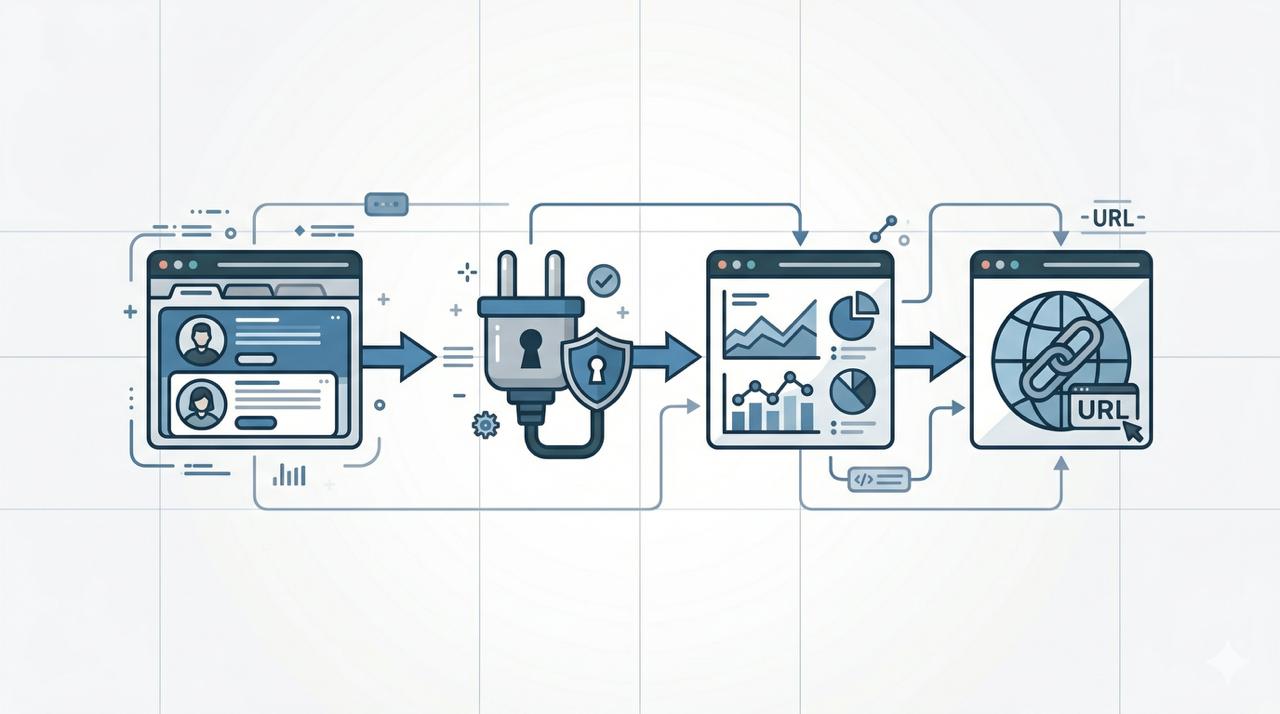
Such solutions gradually stop covering a single task. For many teams, this is already part of the environment within which stable work is built.
So, are proxies needed for cloaking?
The honest answer: depends on the complexity of the processes.
On small volumes, infrastructure issues remain unnoticeable for a long time. But with the growth of launches, the environment begins to influence more and more.
And then the question changes: it's no longer "are proxies needed" - but how organized the entire infrastructure around the team is built.
FAQ
Are proxies always needed for cloaking? No. On small volumes, part of the tasks works even without a complex infrastructure. But with the growth of launches, the requirements for the stability of the environment increase.
Why does an unstable environment interfere with work? Additional checks, manual actions, and repeated tests gradually take away time that should be spent on analytics and finding new directions.
Why are mobile proxies used more often? They work through real mobile networks and create a more natural environment. But the final result still depends on the quality of the entire infrastructure.
Summary
Launch stability depends less and less on a single tool - and more and more on the quality of the entire environment around the team.
When the infrastructure works smoothly - there is less chaos inside the processes, fewer manual actions, and more time for real work.
The conversation about proxies has long ceased to be a dispute about a specific solution. It has become a conversation about how organized the entire work around the launch is built.






Be the first to share your opinion!
We value your feedback — share your thoughts.