


When a team chooses an Apple Developer account for traffic arbitrage, the questions are almost always the same: which account type to get (Individual or Company), which GEO to choose, how long the account needs to "age" before the first publication. In chats, they are answered with stories from personal experience. But what worked for one team might not work for another.
This article is based on the observations of SmartShop. The service provides Apple Developer accounts and works with traffic arbitrage teams, developers, and studios. During this time, it became apparent that teams are divided into three types. Each has its own typical mistakes, and it is useful to know them in advance.
Why a "guaranteed-approval" account does not exist
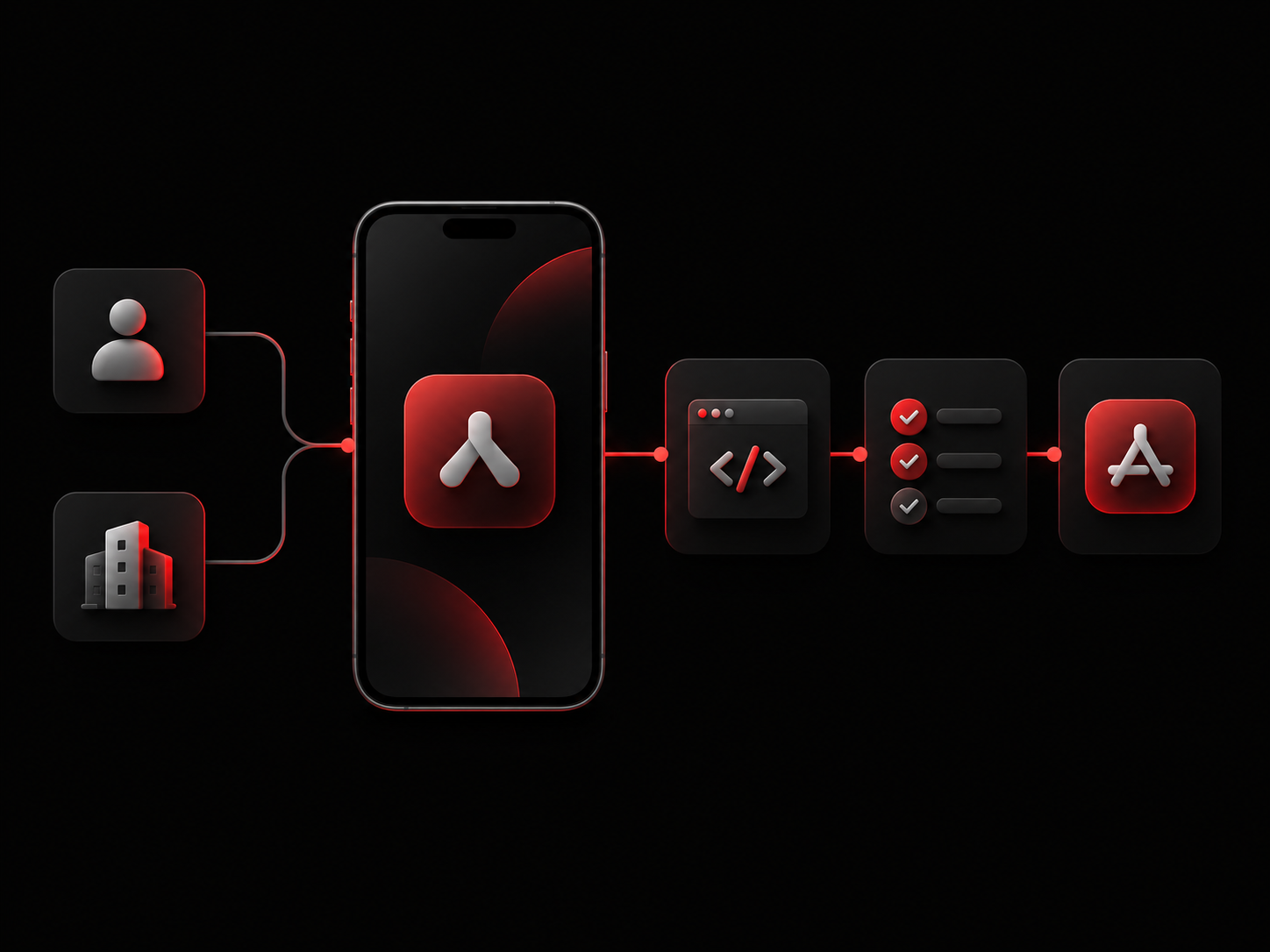 Apple reviews the app entirely, not just the account. The decision is influenced by:
- account;
- app code;
- build;
- title, description, and screenshots (metadata);
- design;
- how the team responds to the reviewers' remarks.
Therefore, a magic combination of "GEO + account type + aging period" does not exist. If a scheme worked in someone else's project, it does not mean it will work in yours.
It is more useful to ask yourself other questions. What exactly are you testing? What do you change from attempt to attempt? How do you record the result? Until there are answers, the choice between Individual and Company will solve nothing.
Type 1. Beginners: searching for a ready-made scheme
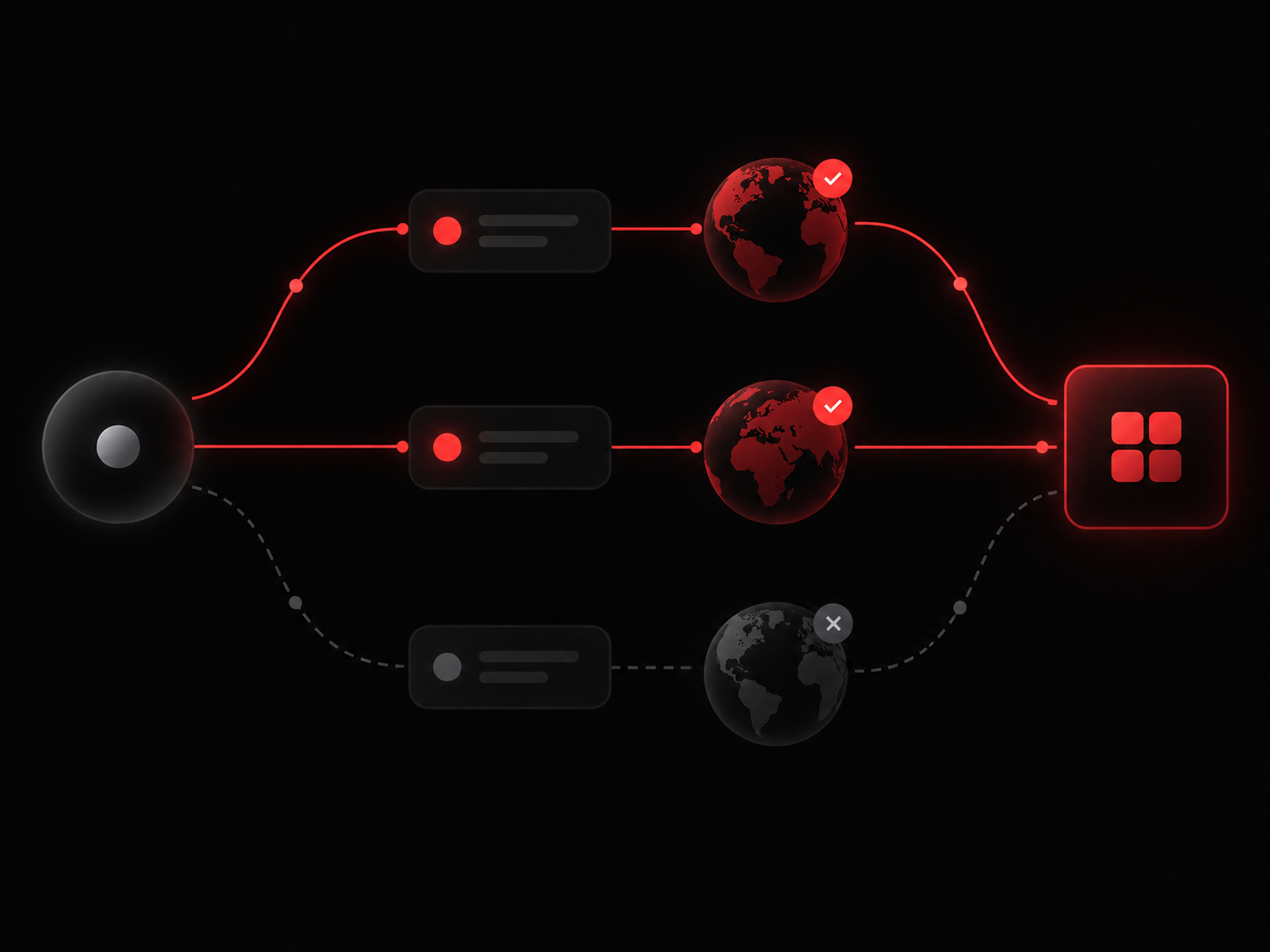 How it looks. The team read chats and forums, collected other people's cases, and is planning the launch of a WebView app (this app - is a "wrapper" that opens a web page). There is still little personal experience in development, submitting for review, and app support, so most of the time is spent on searching for the "right" combination of parameters.
Typical mistakes.
- The plan has no buffer for failed attempts.
- The team starts scaling too early.
What to do. Before buying accounts, answer five questions:
- What is the budget for development, accounts, and resubmissions?
- How much time is the team ready to spend on tests?
- Who will handle Apple's remarks and technical issues?
- Will there be enough money to continue if the first attempts fail?
- How will you record the results so that every attempt teaches you something?
A few approved apps do not mean the process is stable
A common story. The first apps passed the review, the team decides that everything works, and buys many accounts. Then rejections begin, and money continues to be spent according to the plan drawn up on the wave of success.
Three to five approved apps - too little data for such conclusions. It is better to immediately set aside a portion of the first profit for tests, improvements, and process development. Even after a good start, work can slow down for weeks or months, and you need to be prepared for this both financially and organizationally. You should buy as many accounts as the team can realistically prepare, test, and support.
Type 2. Teams after initial successes: chaotic changes
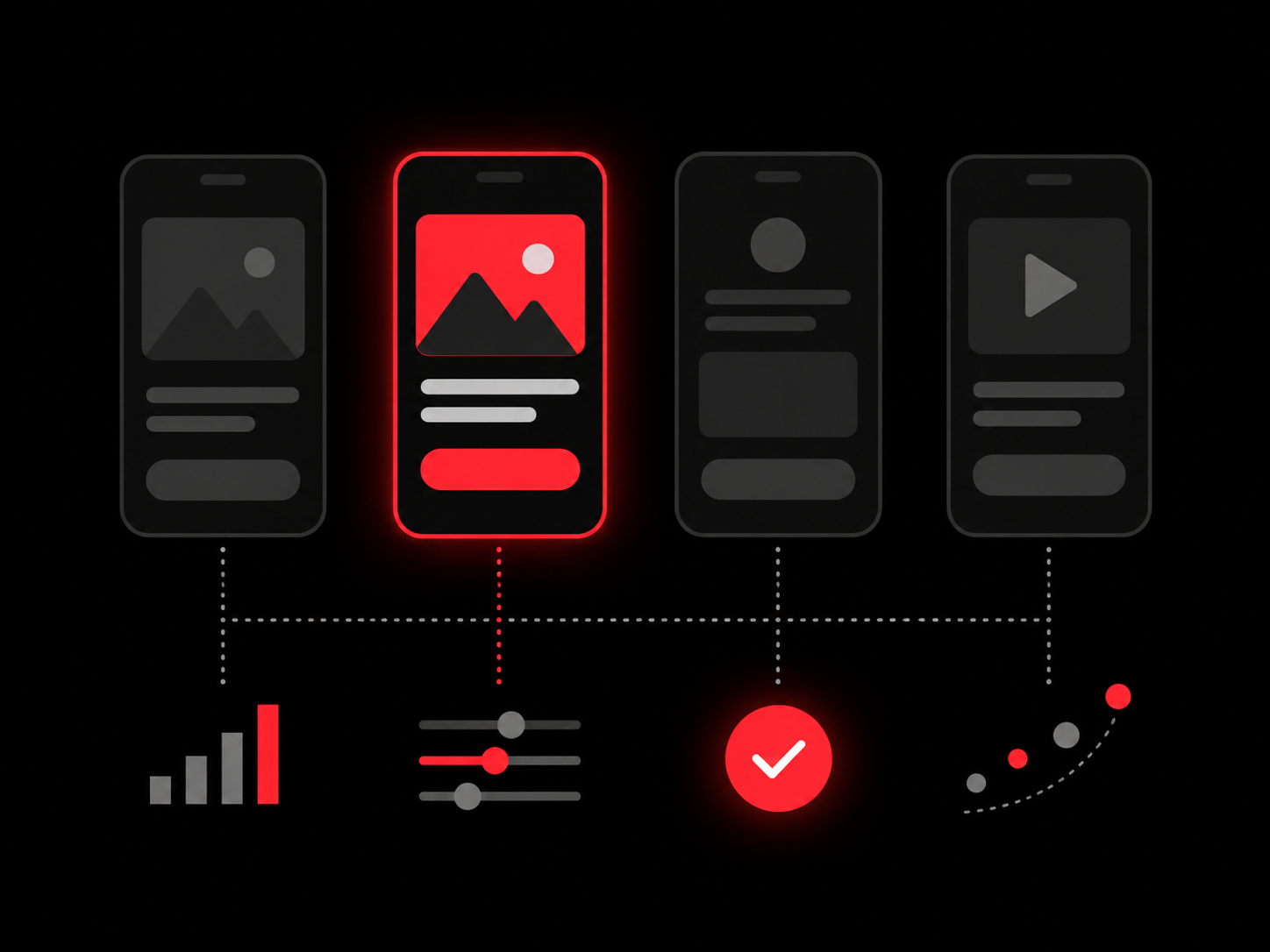 How it looks. The team has already published apps and received the first results, but the new batch performs worse. An enumeration begins: a different supplier, a different GEO, a different account type, a different developer, or design. Advice from chats and promises from sellers pour in from all sides.
Typical mistake. The team changes multiple parameters at once. As a result, it is unclear what exactly affected the outcome. There are many changes, but less understanding of the causes.
What to do.
- Look for the cause in order: account, code, build, metadata, working with remarks.
- Change one parameter at a time.
- Keep a submission log. The following columns are sufficient:
| What to record | Why |
| Account (type, GEO, where bought) | to compare different batches |
| Build version | to see what changed in the code |
| What was changed since the last submission | to understand what affected the result |
| Title, description, design | not to lose previous versions |
| Apple's response (date and text) | to notice recurring remarks |
| Attempt costs | to calculate real unit economics |
Other people's cases and rumors can be used as ideas for testing. But they need to be tested on your own app, with your own team and budget.
Type 3. Experienced teams: stopping due to lack of new tests
 How it looks. The team knows what accounts it needs and in what quantity, soberly calculates expenses, and is ready for rejections. But even such teams have pauses in purchases and publications, sometimes from one to several months.
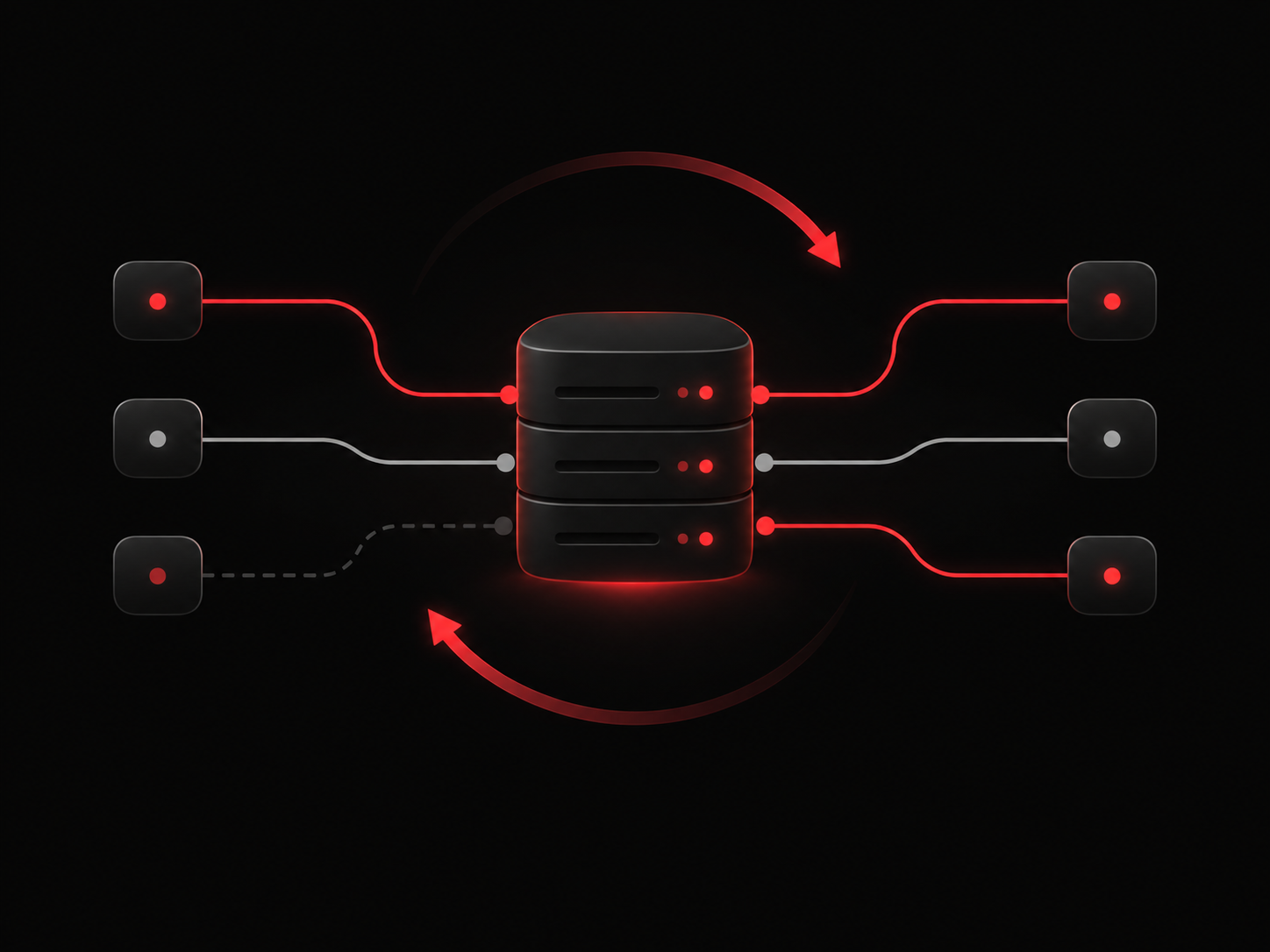
Typical mistake. While everything is going well, the team stops developing the process. It has set up 10-20 working flows (campaigns) and directs all efforts towards them. Then some of the flows stop working. Sometimes all of them break at once if they share common elements. There are no backup options, and the team has to simultaneously support current projects and look for new solutions.
What to do.
- Constantly allocate time and money for new tests, even when the main work is going perfectly.
- Improve the code, test new approaches, perfect the build and publication.
- Check what elements are common across different flows, so that one problem does not stop everything at once.
What is included in the iOS app "infrastructure"
Infrastructure - this is not just the account, but the entire path of the app from idea to support:
- code and used components;
- compiling and uploading the app to App Store Connect;
- developer accounts, accesses, and roles in the team;
- title, description, design, and feature description;
- working with remarks after the review;
- tracking expenses, results, and changes between attempts.
If traffic goes through a web funnel, landing pages, analytics, and traffic distribution are added. This part was separately analyzed in the material about iOS traffic segmentation with Cloaking.House.
Three main principles
1. Test hypotheses, do not believe promises. Be careful with phrases like "this GEO (or account type) guarantees approval." One successful case suggests what is worth testing. But the decision to scale is better made based on a series of results.
2. Budget for rejections. Calculate a hard scenario in advance. For example, out of 100 submitted apps, only 5-10 pass the review. This is not a forecast, but a way to understand if you have enough safety margin. Compare all expenses (development, accounts, team work) with the income from those apps that generated revenue. The main question before starting: will you be able to continue testing if the first attempts fail or publications stop for several months?
3. Do not depend on one supplier and do not stop development. Buy accounts from different suppliers and compare terms: availability, transfer times, transfer quality, support, fulfillment of promises. This way you are less dependent on one channel and gain your own experience faster. Evaluate the supplier's quality separately from the result of a specific submission: the app passes the review, and the supplier is responsible for their part of the work.
 Choosing an account supplier. If accounts are needed regularly, it is important to understand in advance the available types and GEOs, transfer deadlines, the procedure for checking access, and support terms. It is exactly with such tasks, according to the observations of SmartShop, that both novice teams and those who have already established a publication process face. At the same time, the supplier's experience is useful not as a source of a universal scheme, but as an opportunity to better organize procurement: determine the required number of accounts, agree on terms, and avoid unnecessary expenses. The code, metadata, and working with Apple's remarks remain the team's responsibility. Therefore, it is important to separate the account quality from the app review result. This approach helps to accurately find the causes of rejections, control expenses, and build a more stable process.
Conclusions
A stable result in iOS traffic arbitrage is not provided by a "secret scheme", but by a clear process: testable hypotheses, a submission log, a budget reserve, and constant tests. Before purchasing, determine how many apps the team can prepare, test, and support, and then select accounts and suppliers for this volume.






Be the first to share your opinion!
We value your feedback — share your thoughts.